Frozen foods have moved beyond their traditional role as emergency meal solutions. In 2026, the category combines convenience with premium recipes, international flavours, nutritional positioning and formats adapted to new consumption occasions.
Future Market Insights estimates that the global frozen food market will reach USD 489.1 billion in 2026 and USD 827.6 billion by 2036, with a compound annual growth rate of 5.4%. Frozen ready meals are expected to remain the largest category, accounting for approximately 35% of the market.
Growth is extending beyond pizza, vegetables, meat, fish and ice cream. Manufacturers are developing restaurant-inspired meals, high-protein products, shareable snacks, all-day breakfast options and recipes designed for air fryers or rapid microwave preparation.
These trends also increase demand for ingredients that improve flavour, texture and visual appeal. Nuts and processed nut ingredients can support innovation across frozen meals, bakery products, desserts, sauces and snacks.
How are frozen foods perceived?
Consumers increasingly view frozen foods as more than a practical alternative to fresh products. Quality, culinary interest and sensory enjoyment now have a greater influence on product development.
SIAL Paris describes a market shaped by pleasure, premium positioning, world cuisines and ultra-convenient formats. Frozen products are increasingly expected to offer restaurant-style experiences while retaining the storage and preparation benefits of the category.
According to NewFoodData figures reported by SIAL Paris, the importance of the “Pleasure” innovation axis increased by 12.4 points in 2024, reflecting demand for sensory variety and more sophisticated products.
Texture and preparation results are therefore critical. Consumers expect crisp pizza bases, consistent sauces and desserts comparable to chilled or freshly prepared alternatives.
How are frozen foods perceived?
Consumers increasingly view frozen foods as more than a practical alternative to fresh products. Quality, culinary interest and sensory enjoyment now have a greater influence on product development.
SIAL Paris describes a market shaped by pleasure, premium positioning, world cuisines and ultra-convenient formats. Frozen products are increasingly expected to offer restaurant-style experiences while retaining the storage and preparation benefits of the category.
According to NewFoodData figures reported by SIAL Paris, the importance of the “Pleasure” innovation axis increased by 12.4 points in 2024, reflecting demand for sensory variety and more sophisticated products.
Texture and preparation results are therefore critical. Consumers expect crisp pizza bases, consistent sauces and desserts comparable to chilled or freshly prepared alternatives.
Some frozen food trends that are driving innovation in this segment
Protein-forward ready meals
Protein is one of the most visible nutritional attributes across frozen meals, breakfast products, snacks and desserts.
Conagra reports that high-protein frozen products generate approximately USD 12 billion in annual US sales and are recording double-digit volume growth.
Manufacturers can use chopped nuts, nut flours or butters to create richer textures and differentiated plant-forward recipes. Any nutritional claim must be based on the complete formulation and comply with target-market legislation.
Restaurant-inspired recipes and global flavours
Consumers are increasingly seeking frozen products that reproduce takeaway and restaurant experiences at home.
Conagra Brands values the US market for takeout-style frozen foods at USD 14.3 billion in annual sales. SIAL Paris also identifies Asian, Indian and Mediterranean cuisines as important sources of innovation.
Nuts can support these recipes through peanut-based sauces, almond toppings, pistachio fillings, cashew creams and coatings. They are particularly relevant in products inspired by satay, curry, pesto and Middle Eastern or Mediterranean cuisine.
Premium pleasure and sophisticated desserts
Pleasure remains a central innovation driver. Frozen products are expected to combine convenience with attractive presentation, indulgent textures and premium ingredients.
SIAL Paris highlights coated frozen fruit, festive chocolate desserts and chef-inspired meals as examples of this evolution.
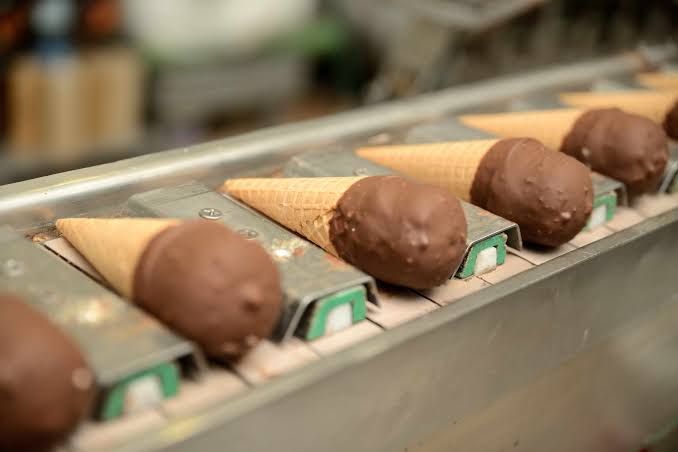
Nut pieces, pralines, creams and pastes can create contrasting textures and layered flavours in ice cream, pastries, cheesecakes and individual desserts. Pistachio, hazelnut, almond and peanut also support premium positioning through recognisable flavour profiles.
Family-style, shareable and seasonal formats
Frozen food is responding to demand for affordable meals that can be shared at home.
According to Conagra, frozen pizzas, side dishes and multi-serving meals generate approximately USD 12 billion in US sales. Large and value-size products represent more than 40% of frozen aisle sales in that market.
SIAL Paris also identifies festive dishes and visually distinctive desserts as opportunities for seasonal innovation.
Nut toppings, coatings and fillings can differentiate sharing appetisers, premium pizzas, pastries and dessert assortments through texture, flavour and presentation.
All-day breakfast and modern preparation formats
Breakfast products are moving beyond the morning occasion. Frozen bowls, bakery products and handheld formats are increasingly consumed as snacks or quick meals.
Conagra reports that frozen breakfast occasions are growing faster than the overall US frozen category, especially among Generation Z and millennial consumers.
SIAL Paris also highlights products designed for air fryers, microwave preparation or consumption directly from their packaging.
Formulations must therefore consider the final cooking method. Nut coatings, fillings and toppings need to retain their texture, flavour and appearance after microwave, oven or air-fryer preparation.
Tree nuts, a key ingredient in the formulation of these products
Tree nuts can support many frozen food trends shaping the market in 2026. Their formats allow manufacturers to use them across sweet and savoury applications:
- Pieces and granules for toppings and fillings.
- Nut butters for sauces, ice creams and creamy centres.
- Flours and powders for doughs, coatings and dessert bases.
- Roasted nuts for texture and more intense flavour.
- Pralines and pastes for premium bakery and confectionery products.
Their value extends beyond nutritional positioning. Nuts can provide flavour complexity, texture, visible ingredients and a stronger premium proposition.
Selecting the correct variety, particle size, processing method and dosage is essential. Manufacturers must assess ingredient behaviour during mixing, freezing, storage and final preparation while managing allergens and labelling requirements.
Food manufacturers developing new frozen products can work with Importaco Nuts to explore nut formats and processed ingredients adapted to industrial applications.
Sources
- SIAL Paris, What innovations will 2026 bring to the frozen food market?
- Future Market Insights, Frozen Food Market Size and Share Forecast Outlook 2026 to 2036
- Conagra Brands, Future of Frozen Food 2026