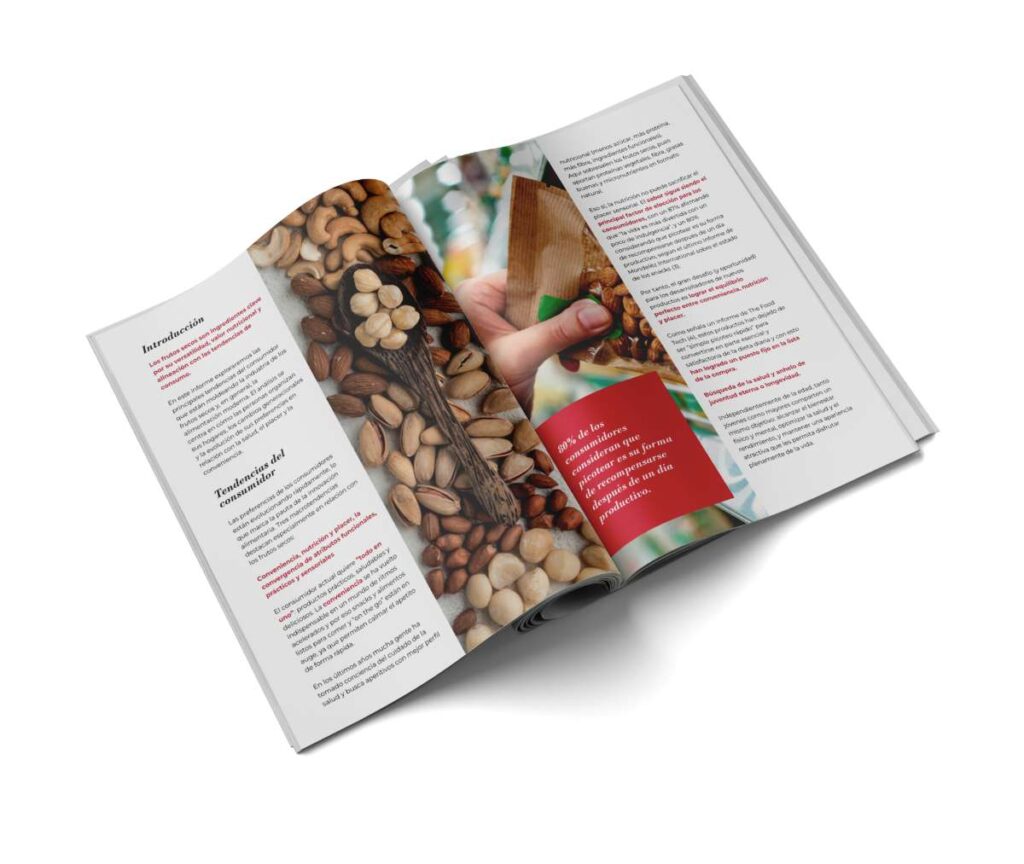
The Importaco Nuts Report on innovation and product development with nuts, prepared by Food Republik & Food Scouting, analyses the evolution of the market for almonds, peanuts, hazelnuts, cashews and pistachios.
Having explored changes in households and the role of new generations, innovation in flavours and consumer experiences and the role of nuts as functional foods, this fourth instalment focuses on two factors that are increasingly influencing purchasing decisions: price and sustainability.
In a market where consumers are looking for quality, convenience and responsibility, brands need to develop accessible propositions without compromising nutritional value. At the same time, they must clearly demonstrate the impact of their products and the measures they are taking to reduce it.
Below, we highlight the main conclusions from this fourth trend.
Convenience and price
Against a backdrop of inflation and changing purchasing habits, price and convenience have become decisive factors. Although nuts offer high nutritional value, their perception as expensive products means companies need to rethink formats and accessibility.
The following approaches stand out:
- Single-serve formats and combinations with dried fruit, cereals or chocolate. Portions of between 20 and 40 grams, priced at around one euro, make it possible to offer affordable snacks suited to on-the-go consumption.
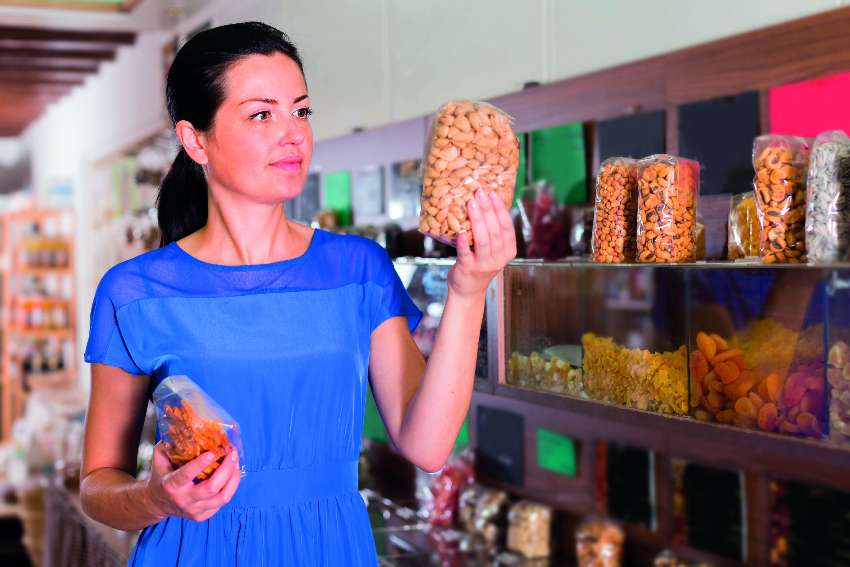
- Multipacks and family-size packs, which help consumers portion products more easily and reduce the cost per serving. Using more affordable complementary ingredients can also help maintain nutritional value while keeping the final price competitive.
The key is to offer practical, accessible alternatives without compromising on quality, adapting products to different consumer profiles and consumption occasions.
Sustainability and storytelling
Sustainability has become an increasingly important consideration for consumers, who expect responsible practices throughout the value chain.
In crops such as almonds and pistachios, techniques aimed at improving water-use efficiency and protecting biodiversity are becoming increasingly important. In products such as cashews and peanuts, fair trade and production conditions within local communities play a particularly significant role.
You may also be interested in | Zero waste in almonds: a project exploring every possible use of the almond

Packaging is also part of this challenge. The industry is exploring recyclable, compostable and reusable materials that can reduce environmental impact without compromising product preservation or quality.
Alongside these improvements, communication plays a central role. Explaining where nuts come from, giving visibility to producers and showcasing a company’s environmental commitments can help brands connect with consumers who value authenticity, transparency and purpose.
Storytelling turns the product into a narrative linked to its place of origin, the people who produce it and the journey it takes to reach the consumer.
This storytelling makes nuts more than just an ingredient: it transforms them into a story that builds trust and differentiation.
Opportunities for innovation
Sustainability is also opening up new opportunities for product development. The use of by-products, such as nut flours and skins, can help reduce waste while creating ingredients for new formulations.

New product launches are also emerging around social and environmental initiatives. This approach helps position nuts as a category aligned with values that are becoming increasingly important in purchasing decisions: naturalness, conscious consumption and positive impact.
Price, sustainability and trust
Balancing price, convenience and sustainability will define many of the sector’s future opportunities.
Adapting to today’s consumer is not simply about cutting costs or changing formats. It also requires companies to innovate responsibly, communicate transparently and build a value proposition that goes beyond the product itself.
Brand competitiveness will increasingly depend on the ability to combine quality and accessibility, build trust and demonstrate a positive impact.
Interested in these trends? Download a preview of our report here or contact us to request the full version.